Get Gas Line Relocation in Seattle, WA
Gas line relocation services help property owners in Seattle and nearby areas safely move or upgrade underground gas lines for renovations, new constructions, or safety improvements.
Property owners in Seattle, WA, who are planning renovations, expansions, or new construction projects often encounter the need to relocate existing gas lines. Proper planning and execution are essential to ensure safety, compliance, and minimal disruption to your property. Exploring options for gas line relocation involves comparing local contractors with experience in handling the unique requirements of Seattle-area infrastructure, helping you find the right professionals to meet your project's needs.
Whether you're updating a kitchen, adding a new outdoor feature, or undertaking a large-scale development, connecting with experienced service providers can make the process smoother. These local contractors understand the specific considerations of the region and can assist property owners in evaluating options for gas line work, ensuring the project aligns with local codes and standards. Keep reading to learn how to identify qualified professionals for your gas line relocation needs.
- Residential Gas Line Relocation - needed when homeowners in neighborhoods like Ballard or Queen Anne are remodeling or expanding their properties.
- Commercial Gas Line Relocation - required for businesses in industrial districts or retail areas planning renovations or new constructions.
- New Construction Gas Line Installation - essential for builders developing residential subdivisions or commercial complexes in the Seattle area.
- Emergency Gas Line Adjustment - necessary when urgent repairs or safety concerns arise due to damage or leaks in local neighborhoods.
- Gas Line Upgrades - sought after by property owners upgrading older systems to meet current standards or accommodate new appliances.
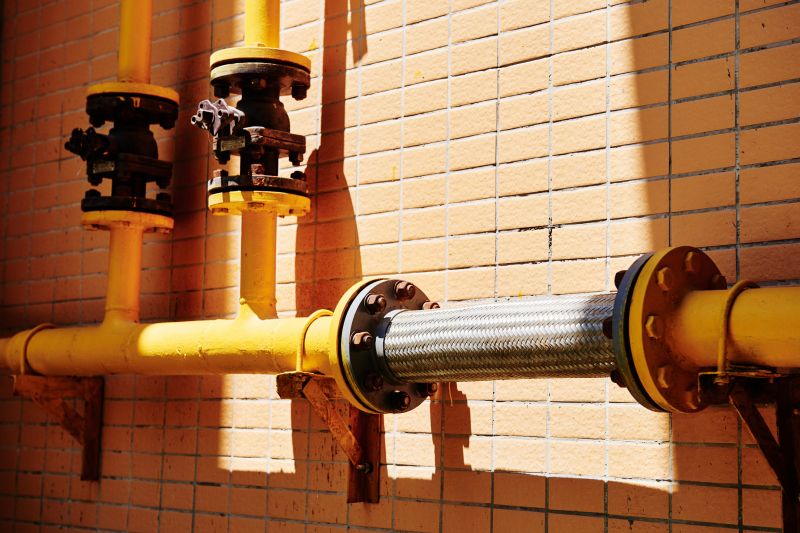
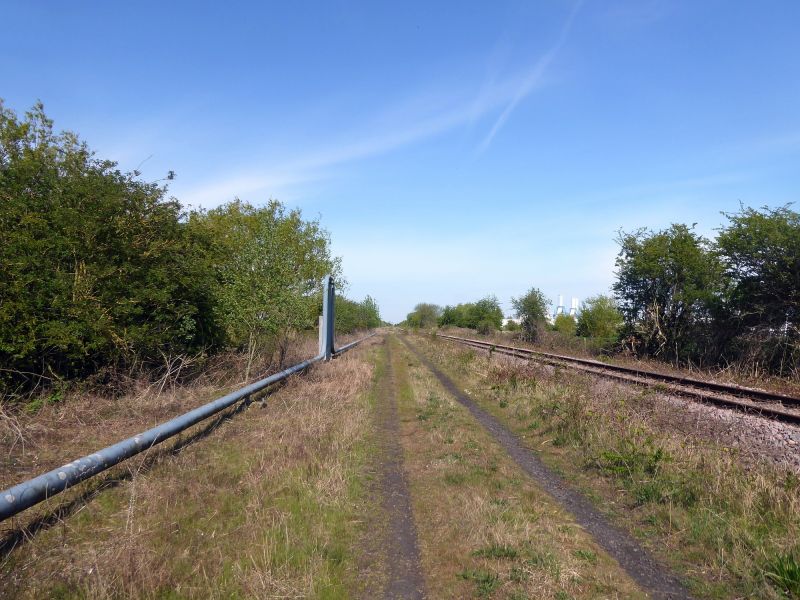
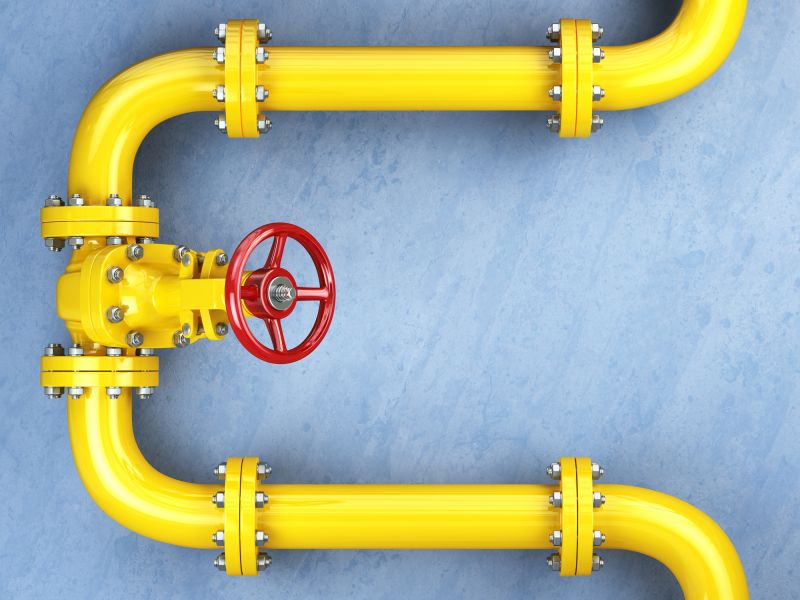
Gas line relocation services involve the careful process of moving existing natural gas lines from one location to another on a property. This work typically requires excavating around the current gas line, safely disconnecting it, and then rerouting it to a new position as specified by the property owner or project plans. Skilled service providers handle the entire process, ensuring that the gas lines are properly installed and connected to meet safety standards and local codes. This service is often necessary when property renovations, additions, or landscaping projects require changes to the existing gas line layout.
Relocating a gas line can help resolve several common problems faced by homeowners and property developers. For example, if a new driveway, patio, or building extension encroaches on the existing gas line, moving the line can prevent future issues or hazards. It also provides an opportunity to upgrade outdated piping or reroute lines to improve access and safety. In some cases, a gas line may need to be moved because of damage or deterioration, ensuring continued safe operation. Properly performed, gas line relocation minimizes the risk of leaks, corrosion, or accidental damage during construction or landscaping activities.
This service is frequently used on residential properties, especially those undergoing significant remodeling, additions, or outdoor projects. Homes with older gas lines that require rerouting for safety or code compliance also benefit from gas line relocation. Commercial properties, multi-family buildings, and even some industrial sites may need this work when expanding or reconfiguring their facilities. Typically, properties with underground utilities, tight lot lines, or complex layouts are good candidates for gas line relocation, as moving the lines can facilitate new construction or improve overall safety and functionality.
Choosing the right local contractors for gas line relocation ensures the work is completed safely and efficiently. These professionals have experience working with underground utilities and understand the regulations that govern gas line work. They can assess a property’s specific needs, plan the best route for the relocated line, and execute the job with minimal disruption. Homeowners and property managers seeking to update or modify their gas infrastructure can contact experienced service providers to handle the project, helping to ensure the work is done correctly and safely.
The overview below groups typical Gas Line Relocation projects into broad ranges so you can see how smaller, mid-sized, and larger jobs often compare in Seattle, WA.
In many markets, a large share of routine jobs stays in the lower and middle ranges, while only a smaller percentage of projects moves into the highest bands when the work is more complex or site conditions are harder than average.
Smaller Repairs - Typical costs for minor gas line relocations or adjustments usually range from $250 to $600. Many routine jobs fall within this middle range, depending on the complexity of the existing setup and accessibility.
Moderate Projects - When relocating larger sections of gas lines or making multiple adjustments, costs often range from $600 to $2,000. These projects are common for homeowners upgrading appliances or rerouting lines within a home.
Full Replacement - Replacing an entire gas line or performing extensive rerouting can range from $2,000 to $5,000 or more. Larger, more complex projects that involve significant excavation or permits tend to push into this higher tier.
Complex or Custom Jobs - Very intricate relocations or projects requiring specialized equipment can exceed $5,000. These are less common and typically involve unique site conditions or additional infrastructure work.
Actual totals will depend on details like access to the work area, the scope of the project, and the materials selected, so use these as general starting points rather than exact figures.
Underground Utility Line Installation - local contractors with experience in underground utility work can handle the planning and installation of various service lines, including gas, water, and electrical lines.
Foundation Excavation and Reinforcement - professionals skilled in excavation and foundation work are familiar with coordinating underground utilities like gas lines during structural projects.
Drainage System Relocation - experts who specialize in drainage and sewer line adjustments often work alongside gas line specialists to ensure proper underground utility management.
Landscape Drainage and Irrigation Installation - these projects require careful planning of underground piping, similar to gas line rerouting, to avoid conflicts with existing utilities.
Roadway and Sidewalk Excavation - contractors experienced in excavation for roadway improvements often coordinate with utility specialists to safely relocate or install underground lines.
Commercial Utility Service Upgrades - local service providers capable of upgrading or rerouting utilities for commercial properties often have skills applicable to gas line relocation projects.
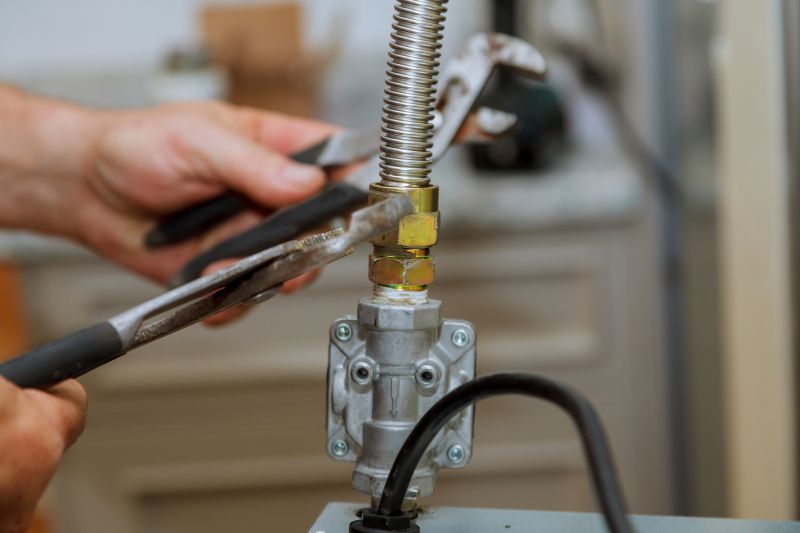
When evaluating contractors for gas line relocation, it’s important to consider their experience with similar projects in the Seattle area or nearby regions. Service providers who have handled comparable gas line modifications or relocations are more likely to understand the local codes, common challenges, and best practices specific to the area. Asking for details about their past work on projects like yours can help gauge their familiarity with the scope and complexity involved, leading to more informed decisions.
Clear and detailed written expectations are essential when comparing local contractors for gas line services. A reputable service provider should be able to outline the scope of work, materials to be used, and any necessary permits or inspections in a straightforward manner. Having this information documented helps ensure everyone is on the same page and reduces the chance of misunderstandings or surprises during the project. It’s also beneficial to review any estimates or proposals carefully to understand what is included and to confirm that the service provider’s approach aligns with your project needs.
Reputable references and effective communication are key indicators of a dependable contractor. When considering different options, ask for references from previous clients who had similar work done. Their insights can reveal the contractor’s reliability, professionalism, and quality of work. Additionally, paying attention to how promptly and clearly a service provider responds to inquiries can provide a good sense of their communication style. A contractor who maintains open, transparent, and timely communication can help ensure the project proceeds smoothly and that any questions or concerns are addressed throughout the process.
Property owners in Seattle, WA use Gas Line Relocation services for practical projects around their homes and businesses. This guide focuses on everyday jobs and straightforward project options.
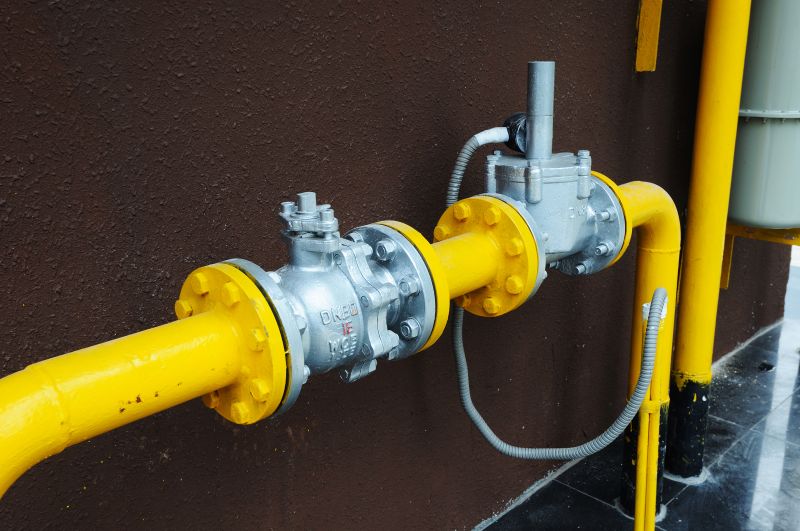
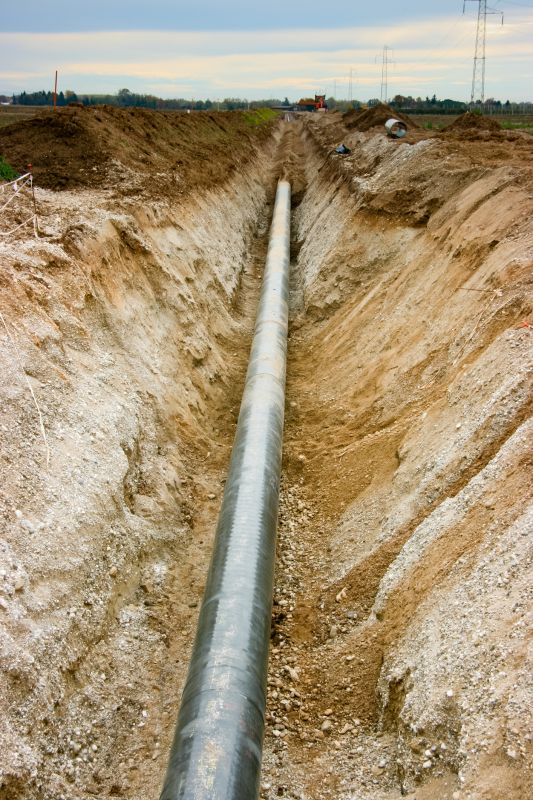
Gas line relocation services are often needed when property owners in Seattle are planning renovations or additions that impact existing gas lines. For example, if a homeowner is expanding their kitchen or installing a new gas fireplace, they may require the gas line to be moved to ensure safety and proper function. Local contractors can handle these adjustments efficiently, helping property owners avoid potential issues with gas leaks or code compliance during their remodeling projects.
Additionally, gas line relocation might be necessary when upgrading or repairing infrastructure around a property. Whether upgrading to a larger line to accommodate new appliances or rerouting lines due to foundation work, local service providers are equipped to manage these tasks. Property owners seeking to ensure their gas lines are safely and correctly positioned for ongoing use or future improvements often turn to local pros for reliable, professional assistance.
What is involved in relocating a gas line? Gas line relocation typically includes planning the new route, obtaining necessary permits, and carefully installing the pipe to ensure safety and compliance with local codes.
Are there any permits required for gas line relocation? Yes, local contractors usually handle obtaining permits and ensuring the work meets all municipal regulations for gas line modifications.
Can a gas line be relocated near existing utilities? It is possible, but a professional contractor will assess the site to avoid conflicts with other underground utilities and ensure proper clearance.
What safety precautions are taken during gas line relocation? Experienced service providers follow strict safety protocols, including pressure testing and leak detection, to prevent hazards during and after installation.
Who should I contact for gas line relocation services in my area? Local contractors specializing in gas line work can provide the necessary services and ensure the job is done safely and correctly.
Home Renovations - When expanding a kitchen or adding a new outdoor living space, relocating a gas line ensures safe and compliant connections for appliances and fixtures.
Outdoor Kitchen Installations - Setting up a new outdoor grill or firepit often requires moving existing gas lines to accommodate the new features.
Property Improvements - Upgrading landscaping or installing a new patio may involve rerouting gas lines to prevent conflicts with new structures.
Emergency Repairs - Addressing underground leaks or damage to gas lines can help prevent hazards and maintain safety during property updates.
If you are thinking about Gas Line Relocation for a property in Seattle, WA, this guide is meant to help you understand the work, the typical project types, and how different options might fit your plans.
When you are ready, you can use the quote form on this page to share a few details about your project. From there, local pros can review the basics and respond with options that match what you have in mind.