Gas Line Relocation in Denver, CO
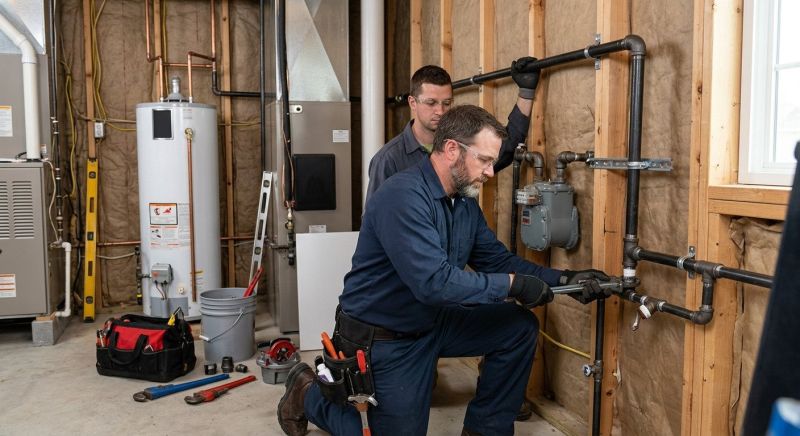
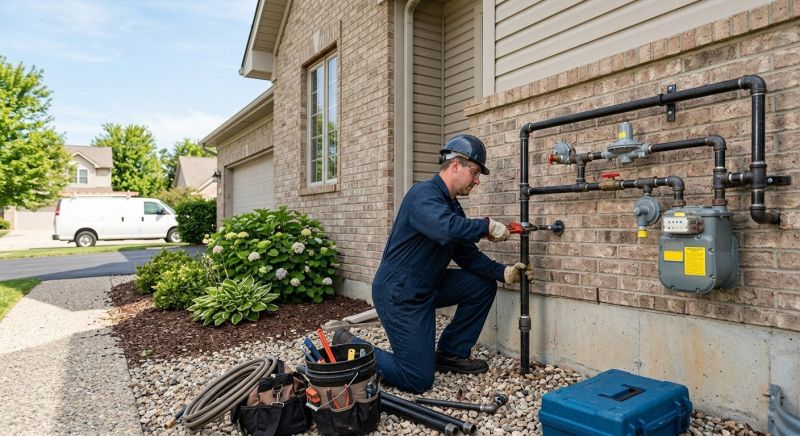
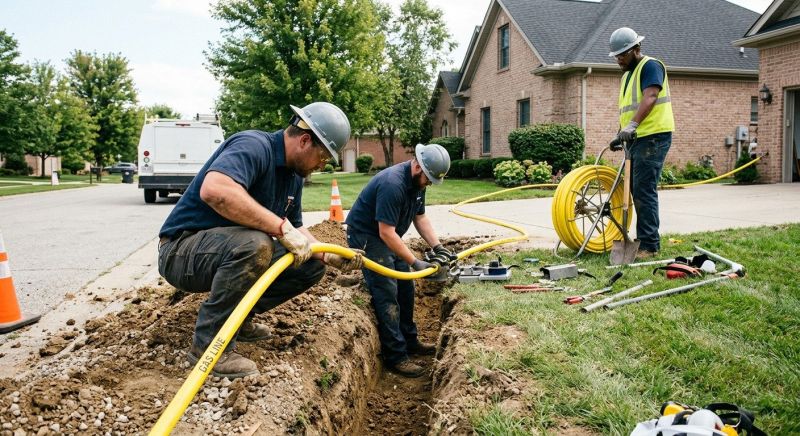
Gas line relocation services involve safely moving existing natural gas lines to new locations on a property, often to accommodate home renovations, additions, or landscaping projects. This process covers a variety of projects, including rerouting gas lines for kitchen remodels, installing new appliances, or adjusting lines for outdoor structures like decks or pools. Property owners typically want to understand the scope of the work, potential disruptions, and any necessary permits or inspections before requesting gas line relocation services.
Homeowners should consider factors such as the current gas line layout, the distance of the relocation, and the purpose of the move when planning a project. It is also important to understand the safety protocols involved and how the work might impact existing utilities. Clear communication about the project's details can help ensure the relocation meets safety standards and aligns with the property's needs.
Many property owners in Denver, CO look into Gas Line Relocation for repairs, replacements, upgrades, and appearance-related improvements.
Reasons For Gas Line Relocation
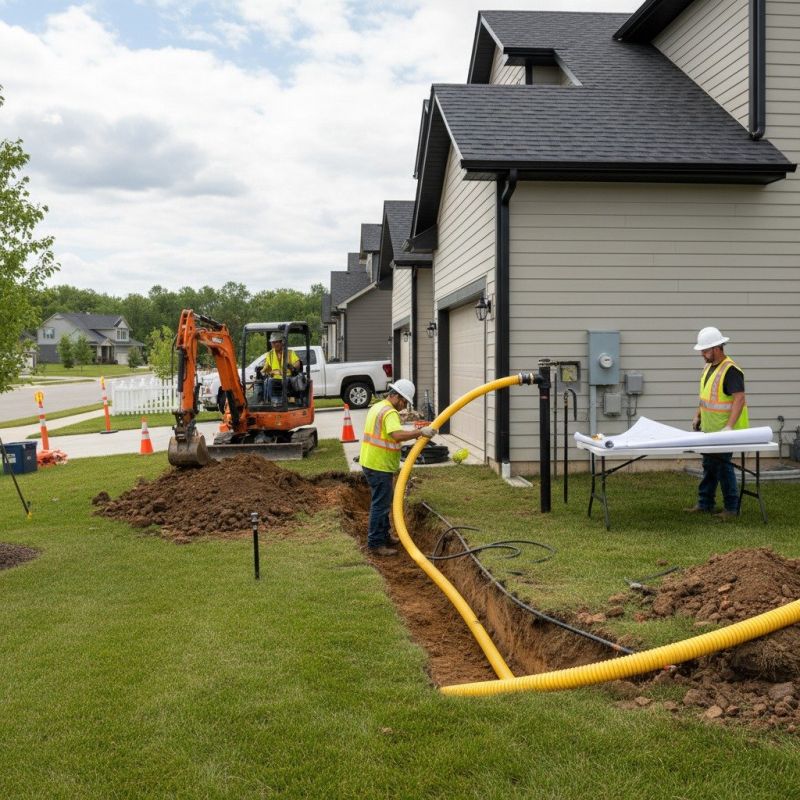
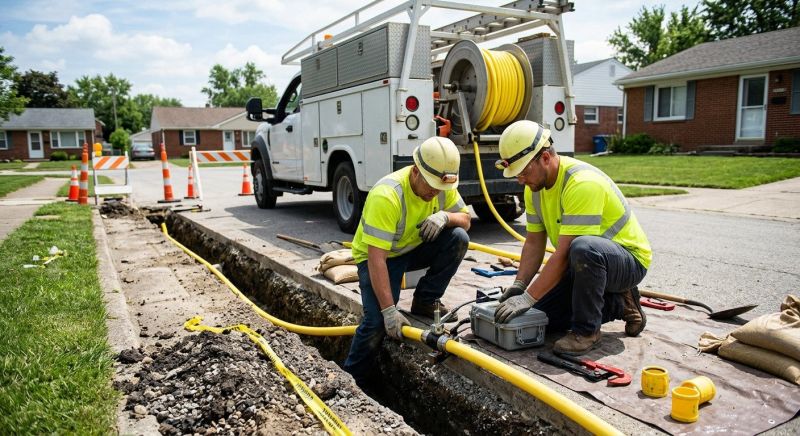
Relocating gas lines may be necessary for home renovations, additions, or new construction projects in denver and nearby areas.
Key Considerations
Proper planning and adherence to safety codes are essential when moving gas lines to ensure property safety and compliance.
Project Types
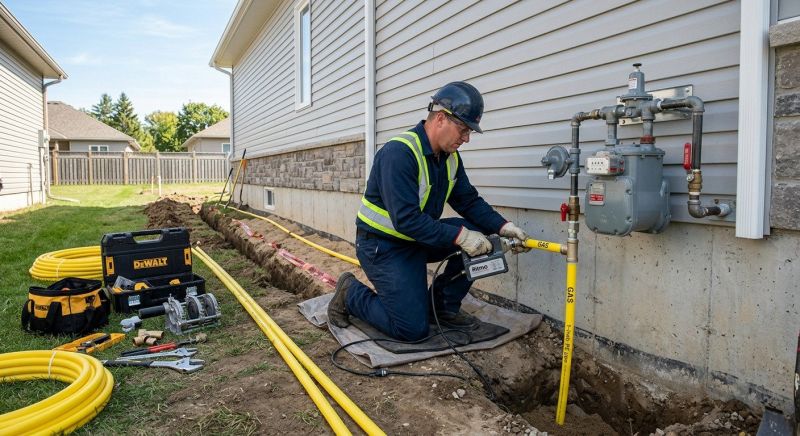
Gas line relocation services typically support kitchen upgrades, basement finishing, outdoor living spaces, and property expansions.
Gas Line Relocation in Denver, CO
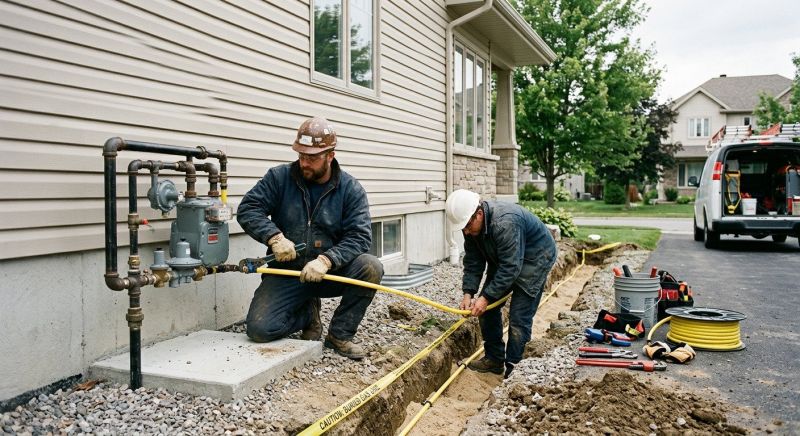
Gas line relocation services involve safely moving existing natural gas lines to new locations on a property, often to accommodate home renovations, additions, or landscaping projects. This process covers a variety of projects, including rerouting gas lines for kitchen remodels, installing new appliances, or adjusting lines for outdoor structures like decks or pools. Property owners typically want to understand the scope of the work, potential disruptions, and any necessary permits or inspections before requesting gas line relocation services.
Homeowners should consider factors such as the current gas line layout, the distance of the relocation, and the purpose of the move when planning a project. It is also important to understand the safety protocols involved and how the work might impact existing utilities. Clear communication about the project's details can help ensure the relocation meets safety standards and aligns with the property's needs.
Many property owners in Denver, CO look into Gas Line Relocation for repairs, replacements, upgrades, and appearance-related improvements.
Common Gas Line Relocation Jobs
Gas line rerouting - relocating existing gas lines to accommodate home renovations or additions.
New gas line installation - installing gas lines for appliances like stoves, water heaters, or outdoor grills.
Gas line extension - extending current gas lines to reach new appliances or outdoor areas.
Gas line repair - fixing leaks or damage in existing gas lines to ensure safety and proper function.
Gas line removal - safely disconnecting and removing gas lines when they are no longer needed.
Gas line inspection - assessing existing gas lines to identify potential issues before relocation or repair.
Gas Line Relocation Questions
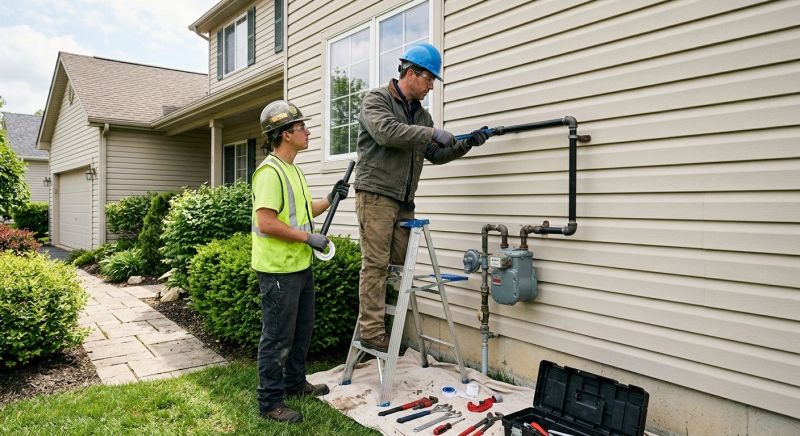
What is gas line relocation? Gas line relocation involves changing the position of existing gas lines to accommodate property modifications or improvements.
Why might a property owner need gas line relocation? It is often needed for renovations, new construction, or to improve safety and accessibility of gas appliances.
Is gas line relocation safe? Yes, when performed by experienced professionals, it ensures proper installation and compliance with safety standards.
What types of projects typically require gas line relocation? Projects include kitchen remodels, adding outdoor appliances, or expanding a property's footprint.
Request Gas Line Relocation in Denver, CO
Use the quote form on this page to share the basics of your project and request more information for the type of work you need.