
Essential Gas Line Relocation Equipment For Professional-Grade Results
Equip yourself with high-quality tools and accessories designed to deliver professional results in gas line relocation projects.
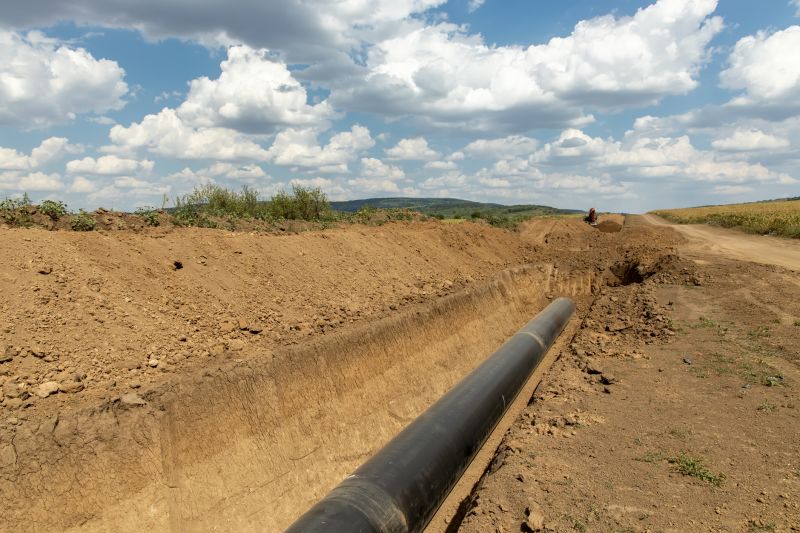 Relocating a gas line requires careful planning and the right selection of products to ensure safety and compliance with local codes. Whether you are undertaking a major renovation or a minor adjustment, having the appropriate tools and fittings is essential for a smooth transition. Gas line relocation involves disconnecting, rerouting, and reconnecting gas supply lines, often necessitating specialized components designed for durability and secure connections. Properly chosen products help prevent leaks, ensure stable pressure, and maintain safety throughout the process.
Top Overall Option
Flexible Gas Line Connector
A flexible gas line connector offers versatility and ease of installation for various relocation projects. Made from durable, corrosion-resistant materials, these connectors accommodate slight movements and vibrations, reducing stress on rigid piping. They are designed to meet safety standards and can be used in a wide range of applications, making them a reliable choice for many gas line adjustments.
Types of Products For Gas Line Relocations
Flexible Gas Connectors
Allow for movement and flexibility in gas line routing, ideal for tight spaces and adjustments.
Rigid Copper Pipes
Provide a durable and long-lasting option for permanent gas line installations and relocations.
Stainless Steel Tubing
Offer corrosion resistance and strength for high-pressure gas line applications.
Gas Line Fittings and Adapters
Connect different pipe sizes and types securely, ensuring leak-proof joints.
Thread Sealant and Teflon Tape
Seal threaded connections to prevent leaks and ensure safety.
Gas Shutoff Valves
Allow for safe control and shutoff of gas flow during installation or emergencies.
Pipe Wrenches and Tools
Essential for tightening fittings and assembling gas line components securely.
Leak Detection Devices
Help identify leaks early to ensure safety after relocation.
Support Clamps and Hangers
Secure gas lines in place and prevent sagging or movement.
Expansion Joints
Absorb movement and thermal expansion in gas piping systems.
Gas Pipe Insulation
Protect pipes from temperature extremes and physical damage.
Pressure Regulators
Maintain consistent gas pressure in the system after relocation.
Popular Choices
Widely used for their adaptability and ease of installation in various settings.
Commonly chosen for durability and corrosion resistance in gas line connections.
Popular for ensuring leak-proof threaded joints in gas piping.
Essential for controlling gas flow during installation or emergencies.
A common choice for permanent and reliable gas line installations.
Important for verifying the safety of relocated gas lines.
Help secure gas lines and prevent movement or sagging.
Preferred for high-pressure applications and longevity.
Commonly used for tightening and assembling gas line fittings.
Used to accommodate movement and thermal expansion in piping systems.
When considering gas line relocation, it is important to understand the different types of materials and fittings available. Flexible connectors, rigid piping, and specialized adapters each serve specific purposes depending on the complexity of the project. Quality fittings made from corrosion-resistant materials can extend the lifespan of your gas lines and reduce maintenance needs. Additionally, tools such as pipe wrenches, thread sealants, and leak detection devices are vital for ensuring secure and safe connections.
Safety should always be the top priority when working with gas lines. Always adhere to local building codes and regulations, and consider consulting a licensed professional for installation or major modifications. Proper ventilation, pressure testing, and leak detection are critical steps before restoring gas service. Using high-quality, code-compliant products minimizes risks and provides peace of mind during and after the relocation process.
In summary, selecting the right products for gas line relocation involves understanding the types of fittings and tools available, prioritizing safety features, and ensuring compatibility with existing systems. With the right components, you can facilitate a safe, effective, and compliant gas line adjustment that meets your specific project needs.
Key Buying Considerations
- Compatibility with existing gas piping materials and sizes
- Compliance with local building codes and safety standards
- Material durability and corrosion resistance
- Ease of installation and flexibility for tight spaces
- Leak-proof sealing capabilities
- Pressure ratings suitable for your system
- Availability of necessary fittings and adapters
- Inclusion of safety features like shutoff valves
- Compatibility with thermal expansion and movement
- Ease of maintenance and future adjustments
- Brand reputation and product reviews
- Cost-effectiveness over the long term
- Warranty or guarantee offered by the manufacturer
- Tools required for installation and their availability
- Physical size and weight for handling and installation
This content includes affiliate links, and we may earn a commission at no additional cost to you. All product suggestions are based on general suitability for gas line relocation projects and do not constitute endorsements or guarantees.